The conversation around wellness is shifting from aesthetics to intellect. Everyone is searching for the definitive list of 5 Foods That Boost Your Brain. We are witnessing a cultural pivot toward cognitive preservation. You might download language apps or complete daily crosswords. True mental sharpness requires a biological foundation built on precise nutritional choices.
Science is confirming what dietitians have whispered for years. Your plate dictates the future structural integrity of your mind.
Recent clinical observations provide a stark reality check. A 2026 study published in JAMA Neurology tracked adherence to the DASH diet. The most faithful followers exhibited a 41 percent lower risk of self-assessed cognitive decline. The MIND diet yields equally compelling metrics. Adherents displayed brains that scanned essentially 2.5 years younger. It is a quiet revolution in longevity.
Nutrition is not a passive act of consumption. It is a tool.
Plant foods take precedence. Dr. Gary Small at the Hackensack University Medical Center advises aiming for ten servings of fruits and vegetables daily. Antioxidants do the heavy lifting by repairing free radical damage.
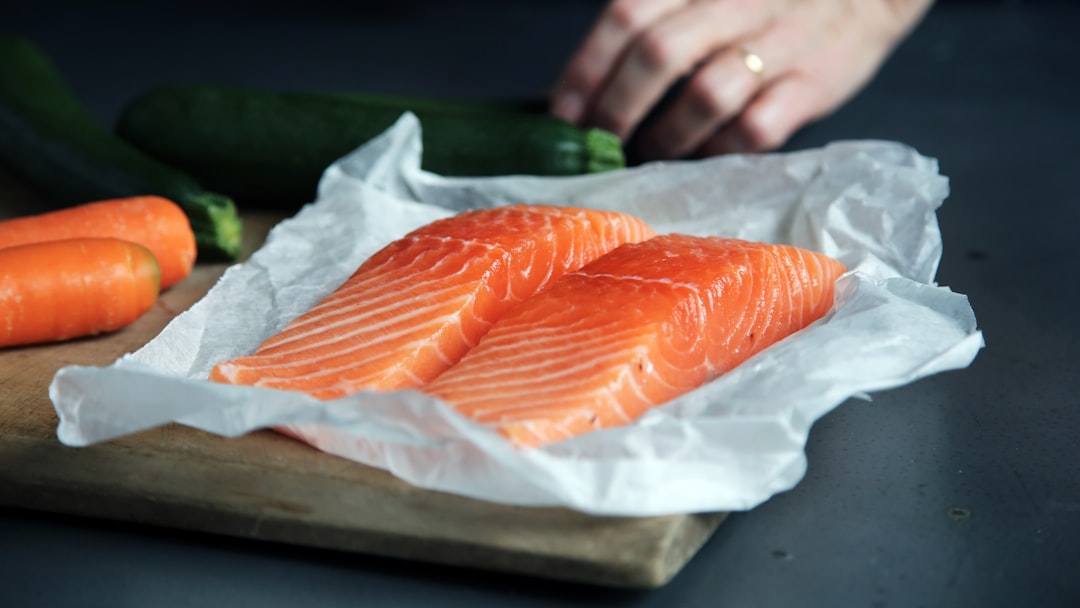
We must examine the specific elements of a neuroprotective diet. Fatty fish remains the non-negotiable cornerstone. Salmon and sardines are dense with omega-3 fatty acids. A 2024 study in the American Journal of Clinical Nutrition noted remarkable results. Older adults consuming fish at least six times a month performed significantly better on standardized cognitive tests.
These fatty acids keep brain cell membranes soft and flexible. Enhanced blood flow directly mitigates the risk of a future stroke.
Berries are equally critical. Blueberries and raspberries contain anthocyanins. These compounds actively reduce systemic inflammation. Freezing these fruits can actually increase their beneficial properties. Leafy greens follow closely behind. A 2023 Neurology study linked seven weekly servings of greens to reduced beta-amyloid buildup. This is a known biological marker for Alzheimer’s disease.
Lutein and folate actively build a robust cognitive defense.
Legumes provide structural support. Swapping processed red meat for beans lowers dementia risk by twenty percent. Soluble fiber fosters a favorable gut microbiome. This internal shift quietly suppresses brain inflammation.

Caffeine acts as an unexpected protector. A massive 43-year study published in JAMA in 2026 monitored over 130,000 individuals. Daily consumption of two to three cups of coffee reduced dementia risk by twenty percent. Tea drinkers saw similar benefits from just one to two cups. Decaffeinated alternatives failed to produce the same protective neurological effects in the data.
Quality dictates the outcome. Plant-based diets are not universally healthy if they rely on refined grains or artificial sugars.
Dr. Song-Yi Park led an eleven-year study published in Neurology in April 2026. Participants consuming the highest quality plant foods experienced a lower risk of Alzheimer’s disease. Those shifting toward unhealthy plant-based choices faced a 25 percent increase in dementia risk. Ultraprocessed foods accelerate cognitive decline rapidly. Processed meats and sugary sodas are the true antagonists.
Sodium damages the fragile blood vessels inside your brain.
Meal timing requires discipline. Dietitians recommend eating every three to five hours to stabilize blood sugar. Skipping breakfast directly correlates with heightened cognitive vulnerability in older adult populations.
The verdict is absolute. You cannot outsmart biology. Cognitive longevity is an architectural project constructed meal by meal, day by deliberate day.
Frequently Asked Questions
Does decaf coffee provide the same brain benefits as regular coffee?
Clinical data shows that decaffeinated coffee does not offer the same cognitive protection. The 2026 JAMA study found that only caffeinated coffee and tea significantly reduced dementia risk.
How many servings of fish should I eat weekly for brain health?
The American Heart Association recommends two three-ounce servings of fish per week. Fatty fish like salmon and sardines are best due to their high omega-3 fatty acid content.
Can freezing berries destroy their nutritional value?
Freezing berries does not destroy their nutritional value. Research actually suggests that the freezing process can increase their anthocyanin content, which helps reduce brain inflammation.
Why are ultraprocessed foods bad for cognitive function?
Ultraprocessed foods accelerate cognitive decline by increasing inflammation and blood pressure. A 2023 study found that high consumption of these foods led to a 28 percent faster rate of cognitive aging.
Does a plant-based diet guarantee protection against Alzheimer’s?
A plant-based diet only offers protection if it is of high nutritional quality. Consuming unhealthy plant foods like refined grains and added sugars actually increases the risk of dementia.