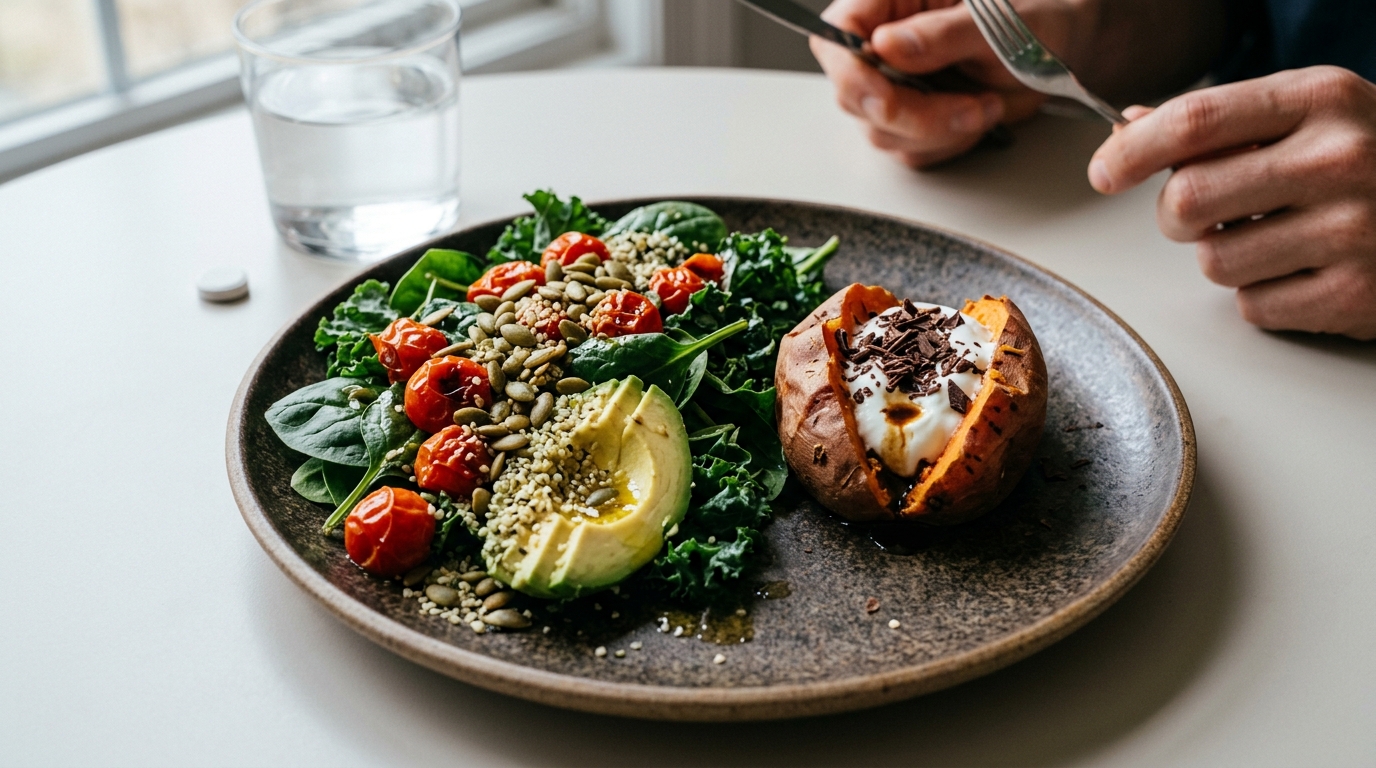
The modern dinner plate has become a theater of isolation. Yet, the 5 expert-backed food combos that can supercharge your health prove that nutrition is not a solo act. We often dissect our meals into singular macronutrients.
We swallow an isolated iron tablet with water and call it a day.
The concept of nutrient synergy is quietly revolutionizing how leading dietitians approach our daily meals. Stanford Lifestyle Medicine and researchers at King's College London agree on a singular truth. Foods provide exponentially greater nutritional value when they interact. Biology relies entirely on these intricate chemical relationships.
True culinary chemistry begins long before the first bite.
Pouring a shot of espresso into chocolate batter amplifies the cocoa profile. The same principle applies to cellular nourishment. Combining two individually great ingredients creates an outcome greater than the sum of its parts.
Consider the delicate balance of fat-soluble vitamins. Vitamins A, D, E, and K demand a carrier to navigate the watery environment of our intestines. Dr. Silja Schäfer is a nutritionist and family doctor. She notes that these nutrients must hitch a ride on dietary fats to form tiny transport bubbles called micelles.
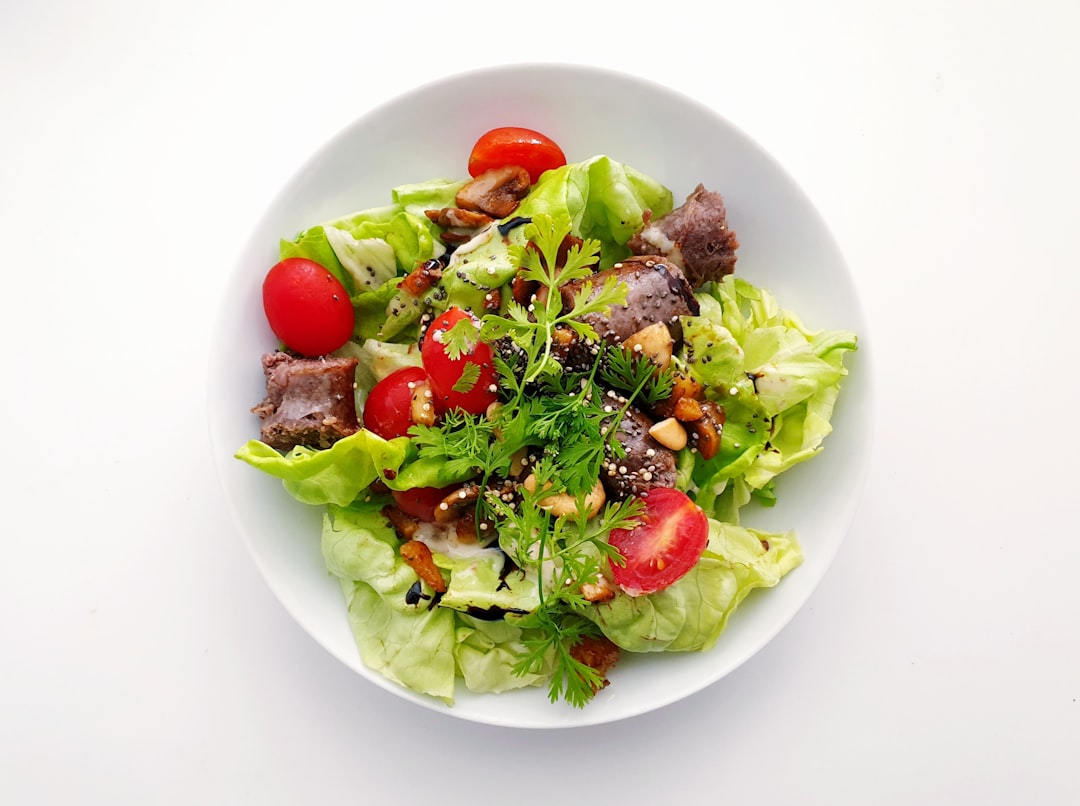
A drizzle of olive oil over roasted carrots is not just a flavor profile. It is a biological necessity.
Without at least five to ten grams of fat per meal, the body simply discards these vital compounds. Cooking tomatoes for just fifteen minutes doubles the bioavailability of lycopene. Adding avocado ensures this potent antioxidant is properly absorbed.
Next, we must examine the stubborn nature of plant-based iron.
Non-haem iron lacks the protective ring structure found in animal proteins. It easily passes through the digestive tract completely unabsorbed. The solution is vitamin C. This nutrient increases the acidity of the intestines. It converts ferric iron into a highly absorbable ferrous state. Pairing lentils with freshly chopped bell peppers can increase iron uptake by 67 percent.
Crushing garlic releases an enzyme called alliinase. This produces sulphur compounds that further enhance the absorption of vital micronutrients.
Turmeric holds immense anti-inflammatory promise. Cultures around the world have lauded its benefits for millennia. Curcumin is the active polyphenol inside the spice. It struggles with rapid liver metabolism and poor intestinal absorption.
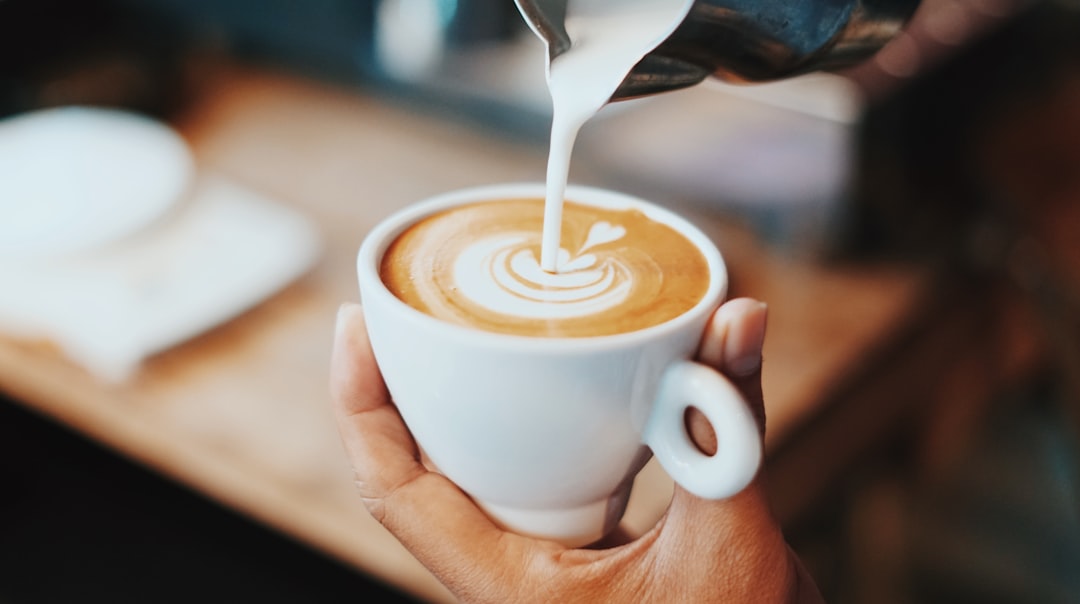
Black pepper offers a surprisingly simple chemical intervention. It contains a compound called piperine. This active ingredient inhibits the rapid breakdown of curcumin in the liver. A single dash of black pepper in a golden turmeric latte increases the bioavailability of curcumin by a staggering 2,000 percent. Dietitian Nichola Ludlam-Raine advises keeping both spices side by side in the pantry.
Skin elasticity demands a similar collaborative effort.
Collagen makes up roughly thirty percent of the protein in the human body. Synthesizing this foundational structure requires more than just consuming protein-heavy meals. The process demands specific chemical catalysts to weave everything together.
Vitamin C is non-negotiable for proper collagen formation. The body relies on it to weave protein into strong connective tissues. Pairing Greek yogurt with fresh raspberries creates a dual-action beauty treatment. The yogurt delivers the necessary amino acids. The berries provide the vitamin C required to transform those building blocks into radiant skin and resilient joints.
The architecture of our diet is as important as the materials we use.
Dr. Emily Leeming is a research fellow at King's College London. She views the gut microbiome as the cornerstone of human health. Fiber stimulates our gut microbes to produce short-chain fatty acids. These molecules lower inflammation and protect the sensitive intestinal lining.
Combining high-fiber foods with polyphenols creates a compounding effect. Fresh blueberries act as prebiotics to feed beneficial microbes. Introducing fermented foods like kefir or unpasteurized sauerkraut adds live bacteria to the mix. A bowl of overnight oats with chia seeds and active yogurt becomes a masterclass in microbial diversity.
Finally, bone health relies on a tightly regulated mineral dance. Calcium cannot function in isolation.
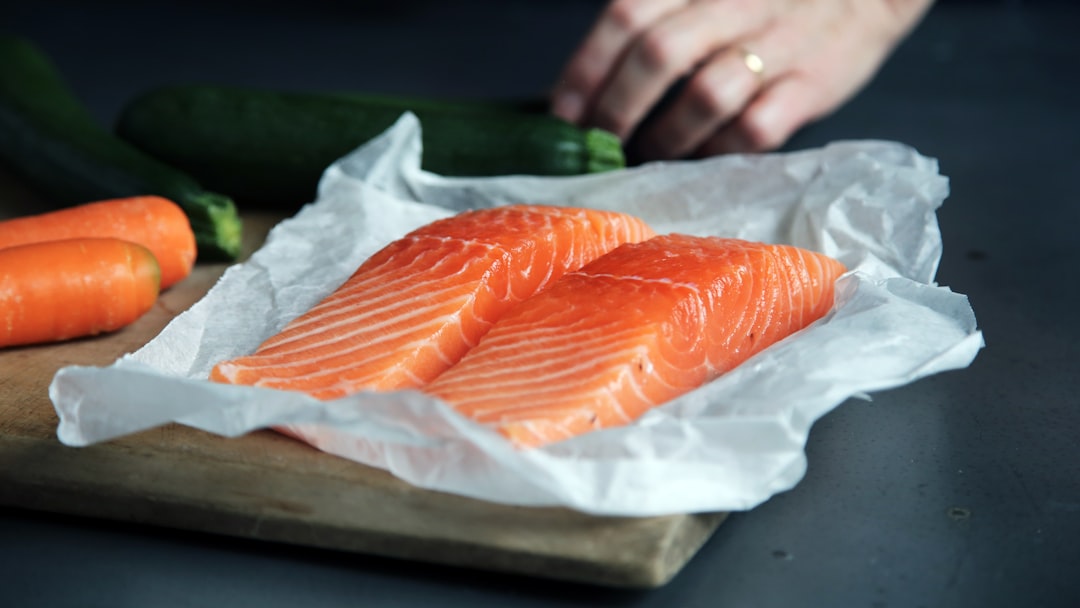
Vitamin D regulates the production of calcium-binding proteins. It commands the intestines to absorb calcium efficiently. The UK and northern US lack sufficient winter sunlight for adequate synthesis. Fortified milks and oily fish become essential dietary tools during the colder months.
Magnesium acts as the final catalyst in this skeletal equation. This mineral allows the enzymes that activate vitamin D to function properly. A dinner of roasted salmon paired with spinach and a sprinkle of pine nuts delivers this exact trinity. The body receives the calcium, the vitamin D to absorb it, and the magnesium to activate the entire biological process.
No single ingredient can compensate for a fundamentally flawed diet.
True wellness demands a holistic lifestyle. Stress management and restful sleep are just as critical as your dinner menu. We must stop viewing our grocery list as a collection of isolated pharmaceutical drugs.
Real nourishment requires orchestration. The sharpest minds in nutritional science know that the finest ingredients always work in tandem.
Frequently Asked Questions
What is nutrient synergy in food pairing?
Nutrient synergy is a biological process where two or more nutrients work together to have a greater physiological impact on the body. This means certain foods provide significantly more nutritional value when eaten together rather than in isolation.
Why do I need to eat fat with tomatoes?
Tomatoes contain lycopene, which is a potent antioxidant. Lycopene is a fat-soluble compound, meaning your body needs dietary fats like olive oil or avocado to successfully transport and absorb it in the intestines.
How can I increase iron absorption from plants?
Plant-based iron is notoriously difficult for the body to absorb. Pairing non-haem iron sources like beans or lentils with vitamin C-rich foods like tomatoes or bell peppers can increase iron absorption by up to 67 percent.
Why should I always add black pepper to turmeric?
Curcumin is the active anti-inflammatory compound in turmeric, but the liver breaks it down too quickly for the body to use. Piperine, a compound found in black pepper, halts this breakdown and increases curcumin absorption by 2,000 percent.
Can strategic food pairings replace my daily vitamins?
Food can have profound medicinal properties, but it is not medicine. Synergistic pairings maximize the nutrients you extract from your diet, but you may still require supplements for specific deficiencies diagnosed by a doctor.
Does cooking vegetables destroy their nutrients?
Not always. While high heat can degrade certain water-soluble vitamins, cooking actually enhances others. Heating tomatoes for fifteen minutes breaks down cell membranes and doubles the amount of lycopene available for your body to absorb.